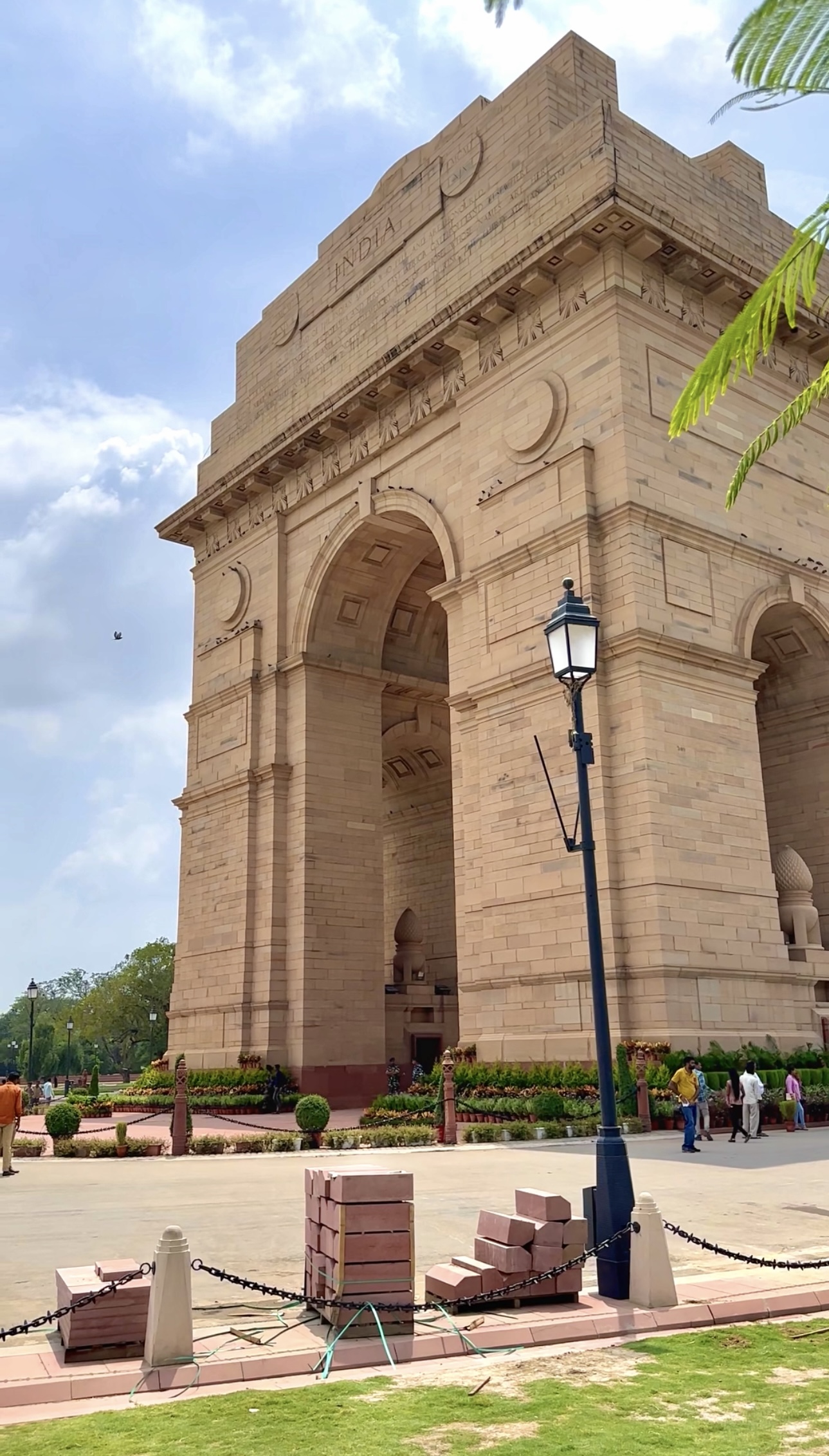
Discover the fascinating history and architectural marvel of India Gate in Delhi. This iconic monument, located in the heart of the city, stands as a tribute to the brave Indian soldiers who sacrificed their lives during World War I. Designed by Sir Edwin Lutyens, a renowned British architect, India Gate is a majestic war memorial that serves as a symbol of national pride and patriotism. With its intricate carvings, grandeur, and sprawling lawns, it attracts millions of visitors from around the world every year. Uncover the rich history and significance behind this magnificent structure as we delve into its captivating past and architectural highlights.
Origins and Significance of India Gate
The India Gate is a majestic war memorial located in the heart of Delhi, the capital city of India. It was built to commemorate the soldiers of the Indian Army who lost their lives during World War I and the Third Anglo-Afghan War. The construction of India Gate started in 1921 and was completed in 1931. Designed by Sir Edwin Lutyens, a renowned British architect, it stands as a symbol of valor and sacrifice.
The significance of India Gate goes beyond being a mere memorial. It represents the spirit of patriotism and unity among the people of India. The names of more than 13,000 soldiers are inscribed on the walls of the monument, serving as a reminder of their bravery and the sacrifices they made for their country.
India Gate also holds great historical importance as it serves as the starting point for the prestigious Republic Day parade held annually on 26th January. The parade showcases the rich diversity of India’s culture and heritage, with the President of India taking a salute at the monument. Many important national events and ceremonies are also held at India Gate, making it a focal point of national pride.
The architecture of India Gate is a perfect blend of British and Indian styles. It stands at a height of 42 meters and is made of red sandstone. The imposing archway is reminiscent of the Roman Arch of Constantine and is adorned with inscriptions and intricate carvings. The top of the arch features a canopy, while the walls on both sides have pavilions that offer a panoramic view of the surroundings.
Surrounded by lush green lawns and well-manicured gardens, India Gate attracts thousands of visitors every day. It serves as a popular picnic spot and a place for people to relax and unwind. The monument is beautifully lit up at night, creating a mesmerizing sight for tourists and locals alike.
Architecture and Design of India Gate
The India Gate is a majestic war memorial located in the heart of Delhi, India. It was designed by Sir Edwin Lutyens, a renowned British architect, and was completed in the year 1931. The architecture and design of India Gate are a perfect blend of both Indian and British architectural styles.
The memorial stands at a height of 42 meters and is made entirely of sandstone. It is inspired by the Arc de Triomphe in Paris and the Gateway of India in Mumbai. The structure consists of a central arch with a shallow dome on top, flanked by two smaller arches on either side. The central arch is adorned with intricate carvings and inscriptions paying homage to the soldiers who lost their lives during World War I.
One of the most striking features of the India Gate is its impressive facade. The sandstone used for the construction gives it a warm and inviting appearance. The arches and pillars are intricately carved with floral motifs, adding a touch of elegance to the memorial. The shallow dome at the top is adorned with intricate latticework, allowing sunlight to filter through and create a beautiful play of light and shadow.
The memorial also features several statues and plaques dedicated to various regiments and battalions of the Indian Army. These statues serve as a reminder of the sacrifices made by the brave soldiers in defending the nation. The lush green lawns surrounding the India Gate provide a serene and peaceful environment, making it a popular spot for picnics and leisurely walks.
Over the years, the India Gate has become an iconic symbol of Delhi and a popular tourist attraction. It serves as a reminder of India’s rich history and the valor of its soldiers. The architecture and design of India Gate truly embody the spirit of unity, strength, and resilience.
Subheading 3: Historical Events and Commemorations at India Gate
India Gate, located in the heart of Delhi, is not only an architectural marvel but also a symbol of national pride and remembrance. Over the years, this iconic monument has witnessed numerous historical events and commemorations that hold great significance in India’s history.
The First Republic Day Celebrations
On January 26, 1950, India adopted its Constitution and officially became a Republic. The first Republic Day celebrations were held at India Gate, marking this historic moment in the presence of the country’s President, Prime Minister, and other dignitaries. Since then, every year on January 26, the Republic Day Parade takes place at Rajpath, with India Gate as the backdrop.
Tribute to Unknown Soldiers
India Gate serves as a memorial to the 70,000 Indian soldiers who lost their lives during World War I. The structure bears the names of these brave soldiers inscribed on its walls. It also houses the Amar Jawan Jyoti, an eternal flame that burns day and night to honor the sacrifice of unknown soldiers. Many visitors come to India Gate to pay their respects and remember the heroes who fought for the nation.
War Memorial for Indian Soldiers
India Gate is a prominent war memorial dedicated to Indian soldiers who sacrificed their lives in various conflicts, including the Indo-Pak Wars and the Kargil War. The monument stands as a reminder of their courage and valor. It is a place where people gather to express their gratitude and remember the sacrifices made by the armed forces in protecting the nation’s sovereignty.
Independence Day Celebrations
India Gate holds immense significance during the Independence Day celebrations on August 15th. The Prime Minister of India hoists the national flag at the Red Fort, and a parade takes place along Rajpath, culminating at India Gate. The monument becomes a focal point of patriotism and national pride as people gather to witness the grand festivities and pay homage to the freedom fighters who fought for India’s independence.
Commemorations and Gatherings
India Gate serves as a venue for various commemorations and gatherings throughout the year. It is a place where people come together to remember national leaders, such as Mahatma Gandhi, and observe important occasions like Martyrs’ Day. The open space around India Gate allows for public gatherings, making it a site for social, cultural, and political events that bring people from all walks of life.
Conclusion
India Gate not only stands as a magnificent architectural marvel but also holds a special place in the hearts of Indians. It has witnessed historic events and commemorations that reflect the country’s journey toward independence and its commitment to honoring the sacrifices of its brave soldiers. Visiting India Gate is not only an opportunity to admire its grandeur but also a chance to connect with India’s rich history and pay homage to the heroes who shaped the nation.
4. The Surrounding Area and Nearby Attractions
The India Gate is not only a magnificent monument in itself, but it is also surrounded by a beautiful and vibrant area filled with various attractions. Visitors can explore the surroundings of India Gate and indulge in the rich history and culture of Delhi. Here are some of the nearby attractions that are worth exploring:
Rashtrapati Bhavan
Located just a short distance from India Gate, Rashtrapati Bhavan is the official residence of the President of India. Spread across a vast area of 320 acres, this architectural marvel is a blend of Indian and European styles. Visitors can take a guided tour of the grand halls, gardens, and museum within the premises to witness the opulence and history of the President’s residence.
National Museum
Situated near India Gate, the National Museum is one of the largest museums in India. It houses an extensive collection of artifacts, artworks, and archaeological treasures that showcase the rich heritage of the country. From ancient sculptures to miniature paintings, visitors can immerse themselves in the diverse history and culture of India through the exhibits displayed at the museum.
Humayun’s Tomb
A UNESCO World Heritage Site, Humayun’s Tomb is a magnificent mausoleum located in close proximity to India Gate. This architectural marvel was built in the 16th century and is an excellent example of Mughal architecture. Surrounded by beautiful gardens, the tomb is the final resting place of Emperor Humayun and is a must-visit attraction for history and architecture enthusiasts.
Connaught Place
Connaught Place, commonly referred to as CP, is a bustling commercial and shopping hub located near India Gate. Designed in a circular shape, this area is filled with shops, restaurants, theaters, and offices. Visitors can explore the vibrant markets, enjoy a meal at one of the many eateries, or simply take a leisurely stroll around the inner and outer circles of Connaught Place.
The surrounding area of India Gate offers a plethora of attractions that cater to different interests. Whether you are a history buff, an art lover, or a shopaholic, the vicinity of India Gate has something for everyone. Exploring these nearby attractions will enhance your visit to India Gate and provide you with a holistic experience of Delhi’s rich history and culture.
Preservation and Restoration Efforts for India Gate
India Gate, being a significant historical and architectural landmark, has been subject to various preservation and restoration efforts over the years. The Indian government and concerned authorities have taken several initiatives to ensure the maintenance and longevity of this iconic structure.
One notable preservation effort for India Gate involved the cleaning and restoration of the monument. The authorities employed expert conservationists and architects to carefully clean and remove the accumulated dirt, pollution, and grime from the surface of the monument. This restoration process aimed to bring back the original splendor and beauty of India Gate, enhancing its visual appeal for generations to come.
To protect India Gate from further deterioration, measures were taken to prevent vandalism and damage caused by visitors. Fences and barriers were installed around the monument to restrict access to certain areas and prevent any potential harm. Additionally, security personnel were deployed to monitor and safeguard India Gate, ensuring its protection and preservation.
The restoration efforts also included repairing and strengthening the structural integrity of India Gate. Dilapidated or damaged portions of the monument were carefully assessed and repaired by skilled craftsmen and engineers. This intervention aimed to prevent any further deterioration and maintain the stability of the structure, ensuring its long-term survival.
Furthermore, efforts were made to improve the surrounding landscape and environment of India Gate. The authorities planted trees, installed proper lighting, and created well-maintained pathways to enhance the overall ambiance and accessibility of the area. These initiatives not only added to the aesthetic appeal of India Gate but also provided a pleasant experience for visitors.
In recent years, technology has played a significant role in the preservation and restoration efforts for India Gate. Advanced imaging techniques, such as 3D scanning and photogrammetry, have been utilized to document the monument’s current state and aid in planning restoration projects. This application of technology has helped in accurately assessing the preservation needs of India Gate and implementing appropriate measures for its conservation.
The preservation and restoration efforts for India Gate signify the commitment of the Indian government and heritage organizations to protect and maintain the country’s rich historical and cultural heritage. These endeavors ensure that future generations can continue to appreciate and learn from the architectural marvel that is India Gate.
Conclusion
Overall, the India Gate in Delhi stands as a magnificent symbol of India’s rich history and architectural grandeur. Its construction and design pay homage to the brave soldiers who sacrificed their lives during World War I and the Third Anglo-Afghan War. The intricate detailing and majestic proportions of the monument are a testament to the craftsmanship and skill of the architects and sculptors involved. As a prominent landmark and a popular tourist attraction, the India Gate continues to evoke a sense of national pride and unity among the people of India. Whether during the day or illuminated at night, the India Gate stands tall, reminding all who behold it of the nation’s past, present, and future.
Find out travel content for Shikar falls dehradun, you would surely love it,
- Jhanda Mela Dehradun 2025: A Spiritual and Cultural Extravaganza You Can’t Miss
- The Grand Launch of the 38th National Games in Dehradun, Uttarakhand
- World Food Day 2024: Uttarakhand’s Sikdar Bakery Products Blend History and Gastronomy
- Discover Uttarakhand’s Cultural Treasure: The Virasat Fair Dehradun 2024
- Shakti Kapoor Inaugurates Zoreko Gaming | Abhishek Gaur | camperspace | travel blogger